Cambridge University Press & Assessment Catalogue
Presiona sobre la imagen para acceder al catalogo:

September 2026
 |
 |
 |
The Teacher – your September editionInsights. Inspiration. Impact. |
6 quick activities to review and reflect on learning |
Do you need to refresh students’ language at the start of a new term or school year? Or do you want them to take more ownership of their learning? Whatever your goal, with fun activities such as a dice game and a map of strengths, you can choose the right format for your classroom. |
The teacher is wrong! |
 |
Need a quick idea to motivate your students on a Monday morning or Friday afternoon? Tell them a fun story but include various mistakes – can your students catch all the errors? Students love nothing more than correcting the teacher after all! |
.jpg?upscale=true&width=420&upscale=true&name=phrasal%20verbs%20for%20the%20new%20school%20year%20(1).jpg) |
Phrasal verbs for the new school year |
New school year, new phrasal verbs! Help your students sound more natural with everyday expressions like go through, hand in and team up with. Check out our latest Instagram post and bring these useful phrases into your classroom. |
Brighten up your background: free desktop wallpapers! |
We’ve created desktop wallpapers especially for our newsletter readers – ready for you to download each month for free! They feature tips on how to create an inclusive and accessible classroom and space for you to personalise the wallpaper with your notes and reminders. Download the September and October wallpapers now! |
Classroom ideas pack: 30 free activities |
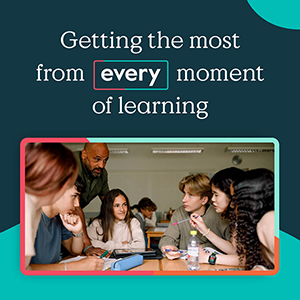 |
Discover 30 practical ideas and ready-to-use activities to get the most from every moment of learning in your classroom. Give the ‘Tell it to Grumpy Grandad’ task a try to check students’ understanding or develop their reflection skills with the ‘Two stars and a wish’ activity. The ideas will help you plan, measure and improve learner outcomes. |
Final days to register for Getting Started with Cambridge |
Don’t miss your chance to join our Getting Started with Cambridge webinar series, taking place from 21-24 September. Gain practical teaching ideas, explore effective Integrated Learning and Assessment (ILA), and discover how to make the most of your new coursebook from day one. |
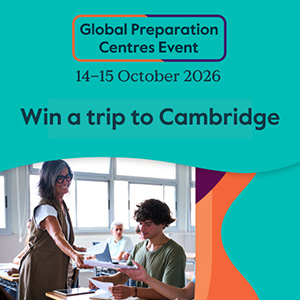
Learn from the experts and win a trip to Cambridge! |
At this year’s online Global Preparation Centres Event in October, you’ll not only learn exam preparation tips and techniques – all participants have the opportunity to win a trip to Cambridge! To be in with the chance of visiting our historic city, register for one of our online sessions, opt in to the competition and attend the event live. |
 |
Best wishes The Cambridge team – English |
July 2026 Newsletter
 |
 |
 |
The Teacher – your July editionInsights. Inspiration. Impact. |
Last chance to register: Celebrate in Cambridge! |
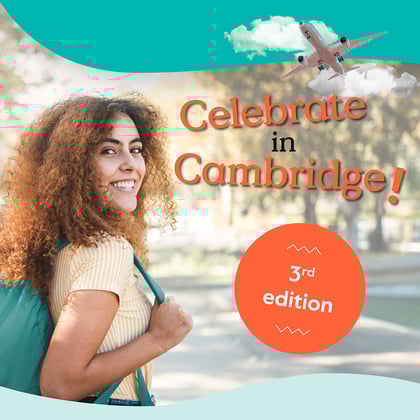 |
Only a few weeks left to join the third edition of Celebrate in Cambridge — register now before July 31st! Give your B2 First and C1 Advanced candidates (and yourself!) the chance to win a trip to Cambridge. Once your centre is registered, all candidates who pass the exam will be automatically entered into the prize draw. Don’t miss this fantastic opportunity! |
Free posters! Make an impact with Cambridge English Qualifications |
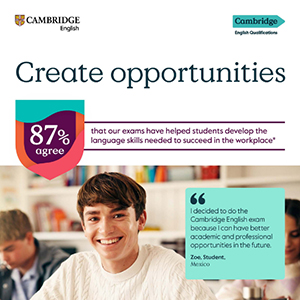 |
Are you teaching Cambridge English Qualifications? Refresh your classroom walls ahead of the next school year with our free posters! Accepted by over 18,000 universities, employers and governments around the world, Cambridge English Qualifications help your students communicate confidently in English and make the most of a lifetime of opportunities. |
Football vocabulary |
⚽ With the World Cup putting football in the spotlight, it’s a great opportunity to explore key football vocabulary in English Help learners get familiar with essential terms such as referee, draw, foul and possession so they can follow match commentary and talk about the game with greater confidence. |
.jpg?width=420&upscale=true&name=at%20the%20stadium%20(1).jpg) |
|
Cambridge Listening B2 First: what is it like and how to prepare for it effectively? |
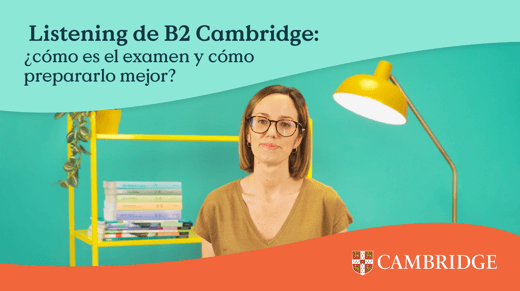 |
Discover our in-depth video guide to the B2 First Listening paper. Help learners understand the exam format, explore the four task types, avoid common mistakes and apply practical strategies to improve confidence and performance on test day. |
A colourful classroom activity – no prep required 🎨 |
In need of a quick, no-prep activity to grab your students’ attention or keep them engaged over the school holidays? You might be familiar with the ‘colour aesthetic’ trend on social media. If not, your students likely will be! Try out our colour hunt challenge and turn this trend into a fun classroom activity or holiday task. |
One simple way to reflect on your teaching using GenAI |
Do you have difficulty dedicating time to professional development? Or perhaps you’re just looking for inspiration to mix up your usual activities. Regardless of the reason, generative AI (GenAI) tools could help. Read our article to get simple tips on writing an effective AI prompt that will help generate useful teaching insights you can reflect on. |
Inspire global citizens with a few simple changes |
 |
Global citizenship doesn’t need big projects – small changes make a real impact. Our booklet on global citizenship and activity cards for teens, part of the updated Cambridge Life Competencies Framework, give you simple ways to build your students’ empathy, awareness and responsibility. |
Best wishes The Cambridge team – English |
 |
 |
 |
Recursos de aprendizaje
Para ayudar a su hijo a prepararse para los exámenes, hemos creado numerosos materiales gratuitos, como ejemplos de exámenes, hojas de trabajo, listas de vocabulario y guías de examen. Es muy útil hacer algunos exámenes de práctica. Su hijo se sentirá mucho más preparado y seguro para el examen si sabe exactamente lo que tiene que hacer.
Práctica online del examen para tu hijo
¿Se está preparando tu hijo para presentarse a B2 First o C1 Advanced? ¡Entonces entrena con nosotros!
Con Test&Train tu hijo puede zambullirse en más de 500 preguntas de práctica, que abarcan todos los componentes del examen, y recibir información instantánea sobre su respuesta, además de consejos y sugerencias de nuestros expertos de Cambridge.
Cómo recordar el lenguaje recientemente adquirido
¿No sería estupendo practicar el nuevo vocabulario y al mismo tiempo pasarlo bien?
¡Ahora se puede! Nuestros vídeos de Sing and Learn están especialmente concebidos para ayudar a los niños a aprender, recordar y usar el lenguaje recientemente adquirido.
Se creativo
Las actividades creativas son una excelente forma de ayudarle a tu hijo a recordar más fácilmente el lenguaje recientemente adquirido. Prueba con tu hijo nuestro paquete de búsqueda de palabras para los niveles B1 y B2 y después rétale a que lo haga él solo.
Aprender inglés paso a paso
Al comenzar su trayecto de aprendizaje del idioma, el niño habitualmente aprende las letras, los números y los colores.
Después pasarán a los animales, la familia y los alimentos. Hay diferentes niveles de aprendizaje del inglés y puedes enterarte todo de lo necesario en nuestra guía breve.